

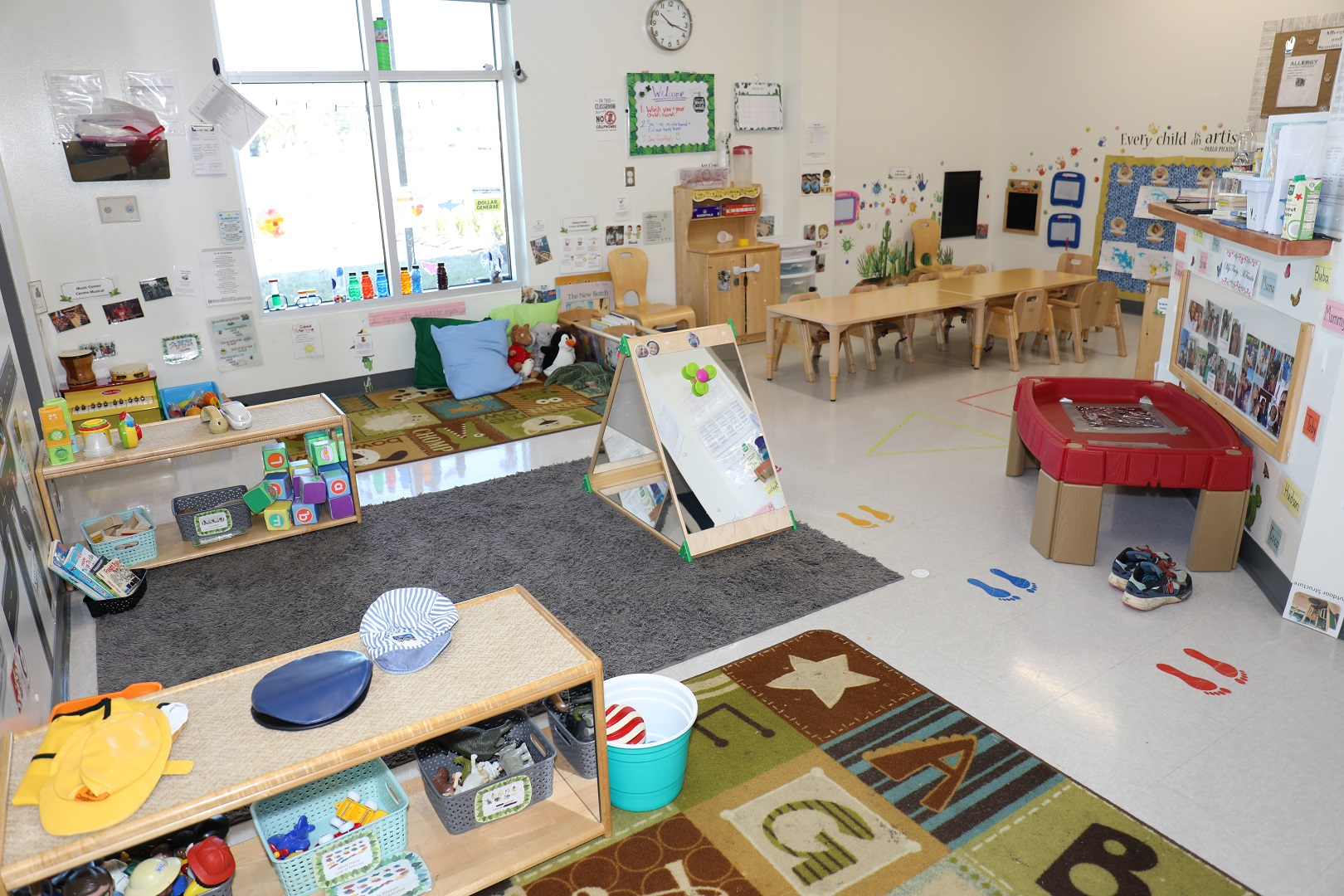
FRANKFORT, Ky. — Governor Andy Beshear is pushing to make universal pre-kindergarten a reality for every four-year-old in Kentucky, calling it an investment the state can no longer afford to delay. The proposal has earned backing from dozens of mayors, county executives, and school leaders who argue early education is critical for closing achievement gaps and strengthening the workforce.
Yet the plan has also touched a nerve in Frankfort. Republican lawmakers who control the legislature warn that the price tag is too steep, with some saying scarce tax dollars should be reserved for obligations like state pensions. The critique has fueled a generational divide: to many younger parents, it looks like older leaders are prioritizing their own retirement security over the next generation’s future.
The debate is sharpened by the economic reality facing families. In a healthier economy, advocates acknowledge, many parents would prefer to keep young children at home longer, with the mother devoting those years to care. But inflation, stagnant wages, and the falling value of the dollar have pushed more households into a scramble, with parents working long hours or multiple jobs just to stay afloat. For them, pre-K is not just about academics, but survival.
Opponents insist that universal programs risk becoming bloated state-run daycare, reducing parental choice and straining the budget. Supporters counter that 90 percent of brain development occurs before age five, and failing to provide structured learning at that stage only deepens inequality and costs more in the long run.
The fight over Pre-K for All is shaping up as a test of Kentucky’s political will: whether the state can strike a balance between honoring long-term fiscal promises and meeting the immediate needs of families raising children in today’s economy. For Beshear, the question is simple, if Kentucky does not invest in its youngest now, will the costs be far higher later.