

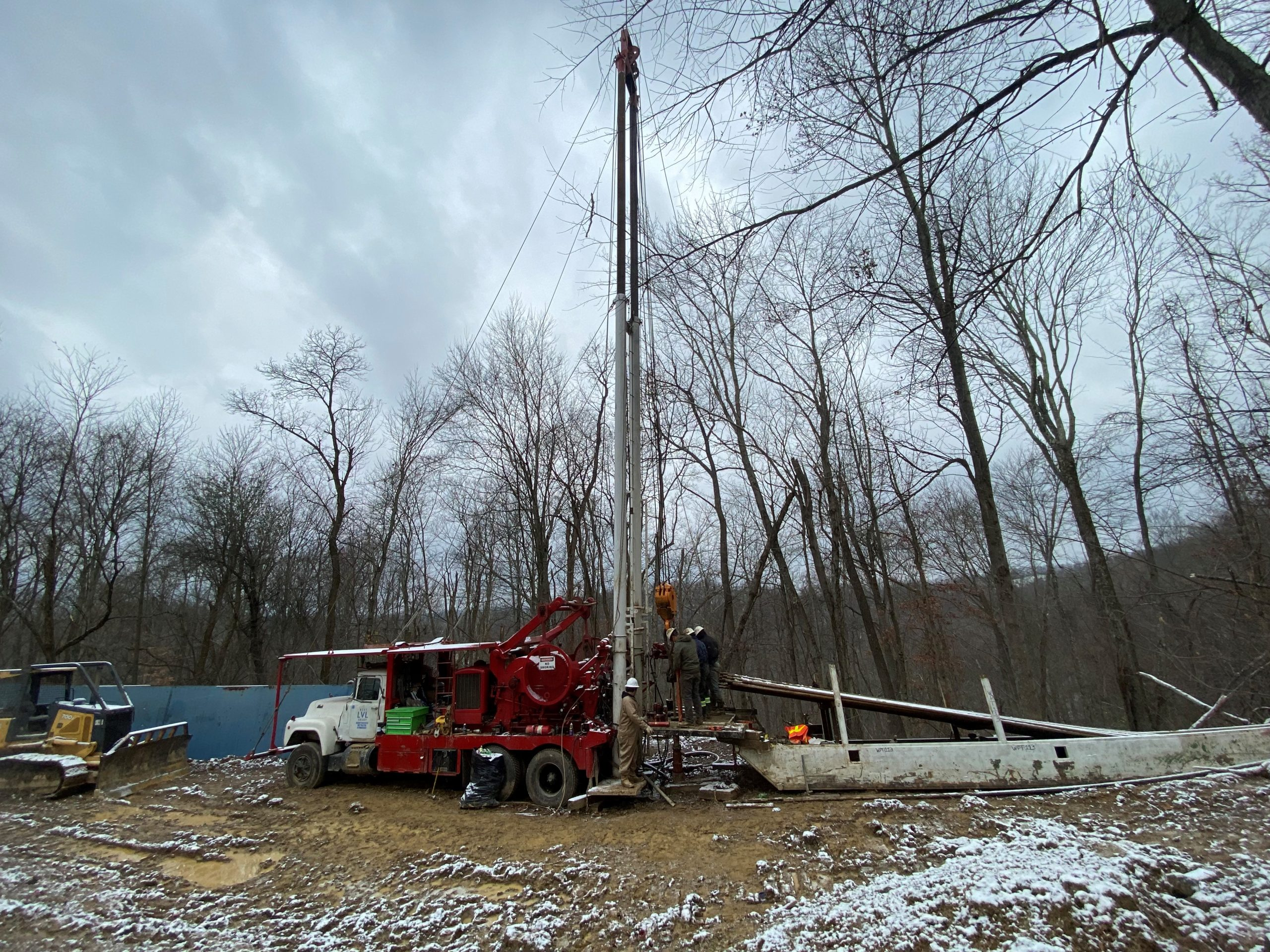
CHARLESTON, W.Va. — West Virginia has unveiled a groundbreaking plan to address one of Appalachia’s most persistent environmental challenges, thousands of abandoned oil and gas wells scattered across the state.
The program, called the Mountain State Plugging Fund, is a partnership between West Virginia and Diversified Energy. The company has committed more than $70 million over the next two decades, backed by an insurance guarantee, to ensure the money remains available even if the firm ceases operation. State officials say the arrangement could serve as a national model for balancing energy development with long-term cleanup.
The agreement requires Diversified to plug at least 1,500 wells in the first 20 years, with a target of about 250 wells each year after that. The state estimates more than 20,000 abandoned or orphaned wells exist, many drilled decades ago with little record-keeping and no provisions for their eventual retirement.
Unsealed wells pose significant risks. They can leak methane, a potent greenhouse gas, and contaminate groundwater. In rural areas, residents have long lived with the hazards of collapsed well casings, unstable land, and emissions from forgotten drilling sites. Plugging typically involves filling the shafts with cement, capping them, and restoring the surrounding ground.
Governor Jim Justice praised the deal, calling it a win for both the environment and the economy. Officials project the work could create 50 to 100 jobs with average salaries near $70,000, a meaningful boost in a state still reliant on extractive industries.
Still, critics warn the scope of the problem dwarfs the current commitment. Plugging a single well can cost $25,000 to $50,000 or more, depending on depth and condition. With tens of thousands left to address, the total price tag could reach into the billions. Environmental groups also worry that the initiative may prioritize optics and numbers over tackling the highest-risk wells first.
Industry executives acknowledge the long road ahead. One insider estimated that at the current pace, “this work will take 100 years no matter what.”
Even so, the fund represents a notable shift in how West Virginia is handling its legacy of energy production. Rather than leaving cleanup to taxpayers after companies fold, the state is tying responsibility to the industry itself, a move officials hope will finally start to chip away at a century-old problem.